Understanding Cuvette Volume, Material, Path Length etc.
A spectrophotometer is an ideal choice for measuring materials of interest light absorbance or transmittance to a specific spectrum wavelength, in this way to…
Quartz · optical glass · alumina
Flow cells, micro-volume and long-path cuvettes, quartz plates, labware and alumina crucibles. Every size is listed with its exact dimensions, so you can order the part your method calls for.
Catalog
Most ordered
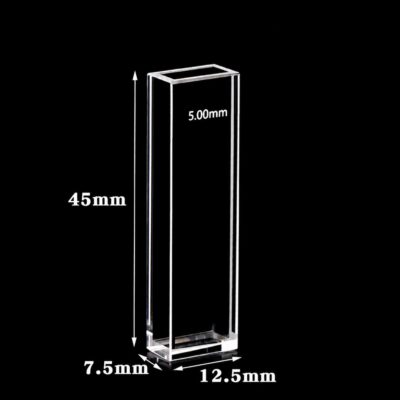
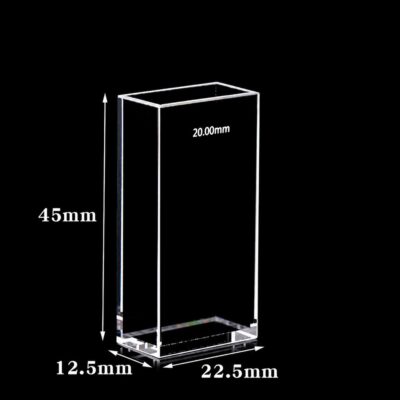
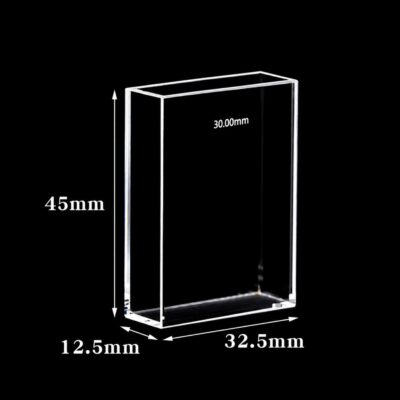
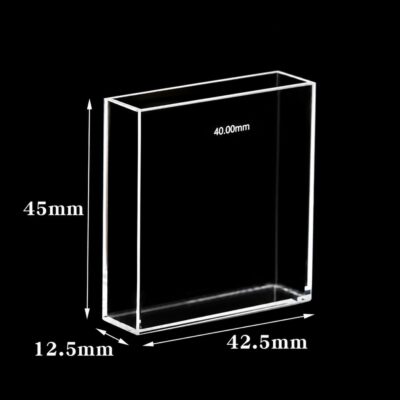
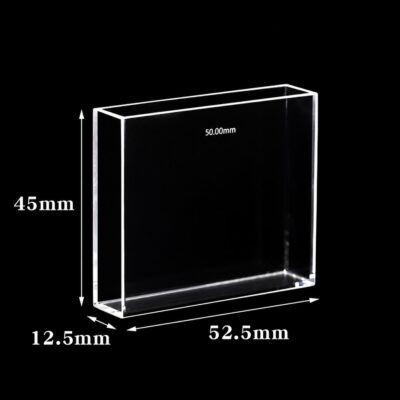
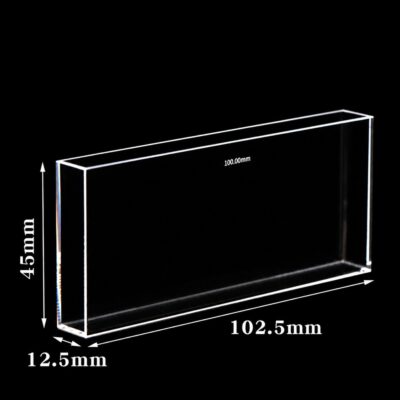
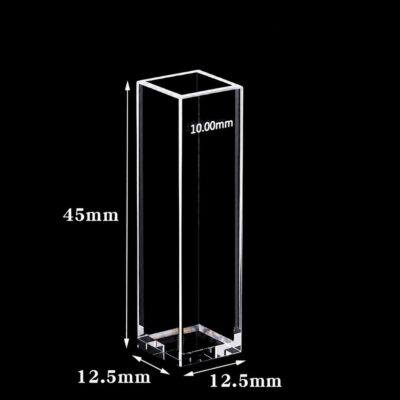
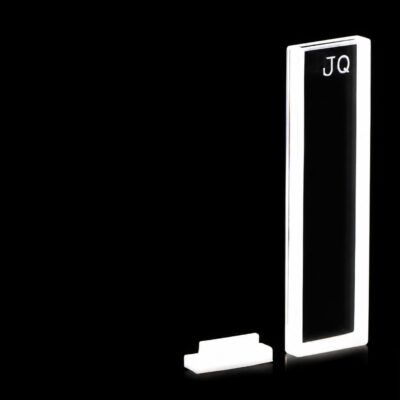
Quick select
Material guide
Custom fabrication
A sketch, a CAD file or the dimensions of the part you have now.
We check dimensions, material and window count, then quote.
The cell is made and inspected against the confirmed spec.
Packed for glassware and shipped to your lab.
Knowledge base
A spectrophotometer is an ideal choice for measuring materials of interest light absorbance or transmittance to a specific spectrum wavelength, in this way to…
Contents: | Spectrophotometer Cuvettes and Cells Open Top IR Quartz Customized Stopper Head Screw Cap Graded Seal Semi/Sub Micro | Fluorometers Cuvettes and Cells…
Clean cuvettes are the foundation of any photometric measurements. Even plastic cuvettes are disposable and no need to worry about cleaning, the rest of…
Questions
Use UV quartz for anything below about 340 nm. Optical glass absorbs in the UV and is only suitable for visible-range work.
10 mm is the standard for most spectrophotometers. Shorter path lengths are used for concentrated samples, longer ones for dilute samples.
Fluorescence is read at a right angle to the excitation beam, so the cell needs clear windows on adjacent sides. Four-window cells are the usual choice.
Yes. Send a drawing or the dimensions you need and we will quote it.